The Ordinary disrupted “miracle marketing” with accessible prices, clinical credibility, and ingredient-level transparency.
(Case study 02)The Ordinary
Consumer insights & brand strategy
Transparency
builds trust.
But who carries
the cognitive load?
I examined how The Ordinary’s ingredient-first positioning shapes discovery, purchase, and loyalty—and where clinical honesty creates decision friction for less-experienced consumers.
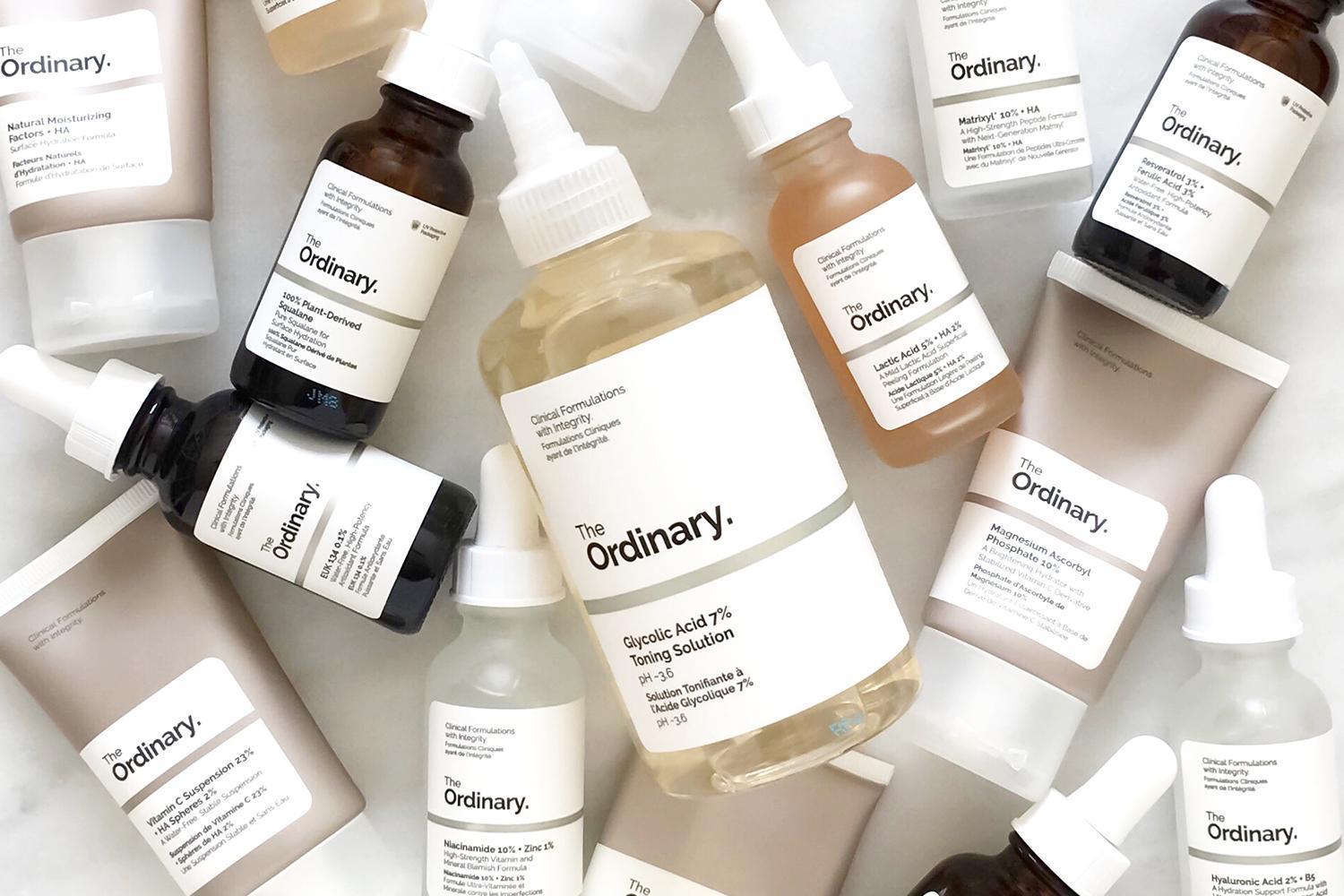
(01)Strategic tension
“Laboratory for all”
The strength and the friction
come from the same choice.
Naming products after ingredients gives consumers more control, turning self-directed shoppers into their own routine builders.
The brand’s clinical honesty builds trust—and makes the consumer responsible for translating information into a safe, effective choice.
(02)Who the brand wins with
Self-directed
skintellectuals.
Ingredient-aware Gen Z and Millennials who want targeted, customizable solutions—and are willing to research them.
NeedSpecific solutions
Target acne, texture, sensitivity, or other isolated concerns with active ingredients.
BehaviorResearch & experiment
Discover through social platforms, compare information, and build personalized routines.
Right to winControl without premium price
Transparency and accessible pricing support trial, customization, and perceived honesty.
BarrierKnowledge required
The experience is less effective for beginners or consumers seeking plug-and-play simplicity.
Solve a specific skin concern.
Use targeted actives at an accessible price.
Feel informed and in control.
Choose science over beauty-industry hype.
Join the “skintellectuals.”
Value transparency and results over status.
(03)Research approach
Follow the consumer,
not one channel.
I combined primary conversations with digital, retail, review, and competitor evidence to trace how consumers move from discovery to decision.
Listen
Consumer interviews and a Sephora sales associate interview
Audit
Official website, Google search, social platforms, Sephora, and Ulta
Compare
Brand, price, language, and shelf experience across competitors
Synthesize
Patterns connected across discovery, decision-making, and use
Recommend
Strategic directions for more accessible consumer guidance
Primary research: consumer interviews and one Sephora sales associate interview. Secondary and experience evidence: review analysis, online and retail audits, and competitive research. No verified total participant count was available.
(04)Path to purchase
Discovery is social.
Decision-making is
self-assembled.
The journey is less a funnel than a handoff: community content creates awareness, external research builds fluency, and the brand converts that fluency into trial.
Awareness
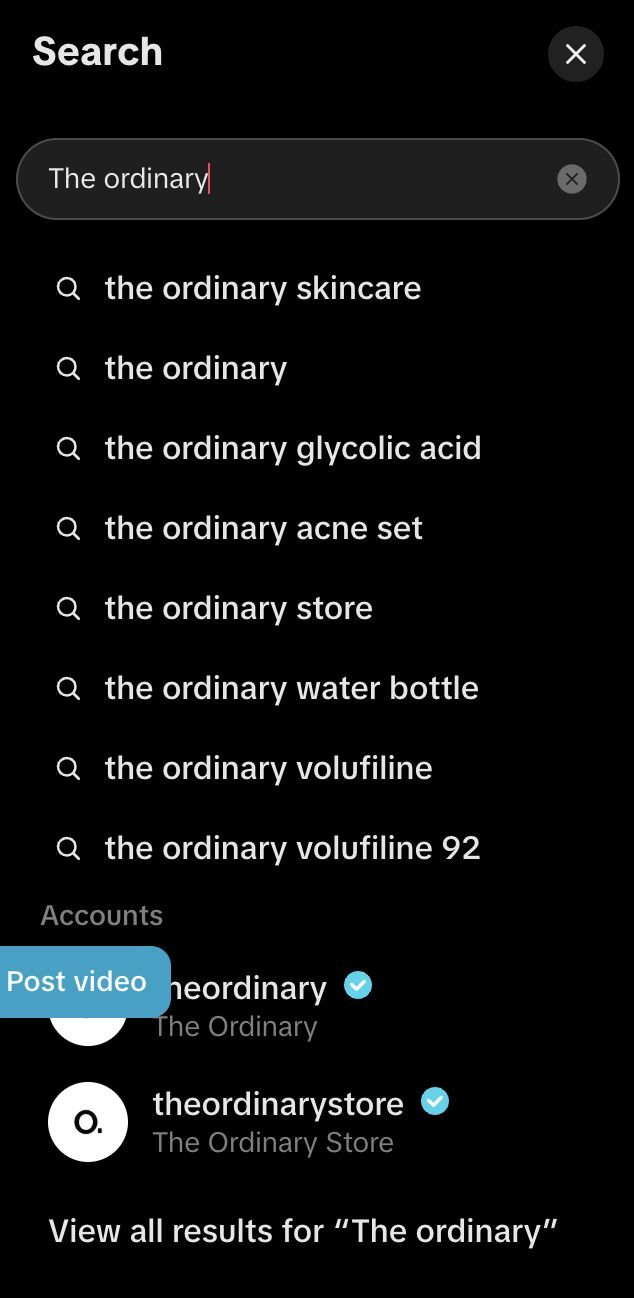
Social discoveryTikTok, Reddit, Rednote, and friends introduce ingredients as solutions to skin concerns.
Research
External educationConsumers search for how to use products, benefits, reviews, and routines before choosing.
Trial
Low-risk experimentA $5–$20 price range makes testing targeted actives financially accessible.
Retention
Mastery earns loyaltyVisible results and confidence in a personalized regimen reinforce continued use.
Advocacy
Problem-to-problem referralConsumers recommend products to friends managing similar skin concerns.
“I usually look things up on TikTok or Reddit first, then go buy the specific ingredient I need.”Consumer interview · Source presentation
“The Ordinary can be tricky if you layer things wrong.”Sephora sales associate interview · Source presentation
“You need to have Google on deck when you’re buying.”Customer review analyzed in source presentation
(05)Experience evidence
One decision problem.
Three environments.
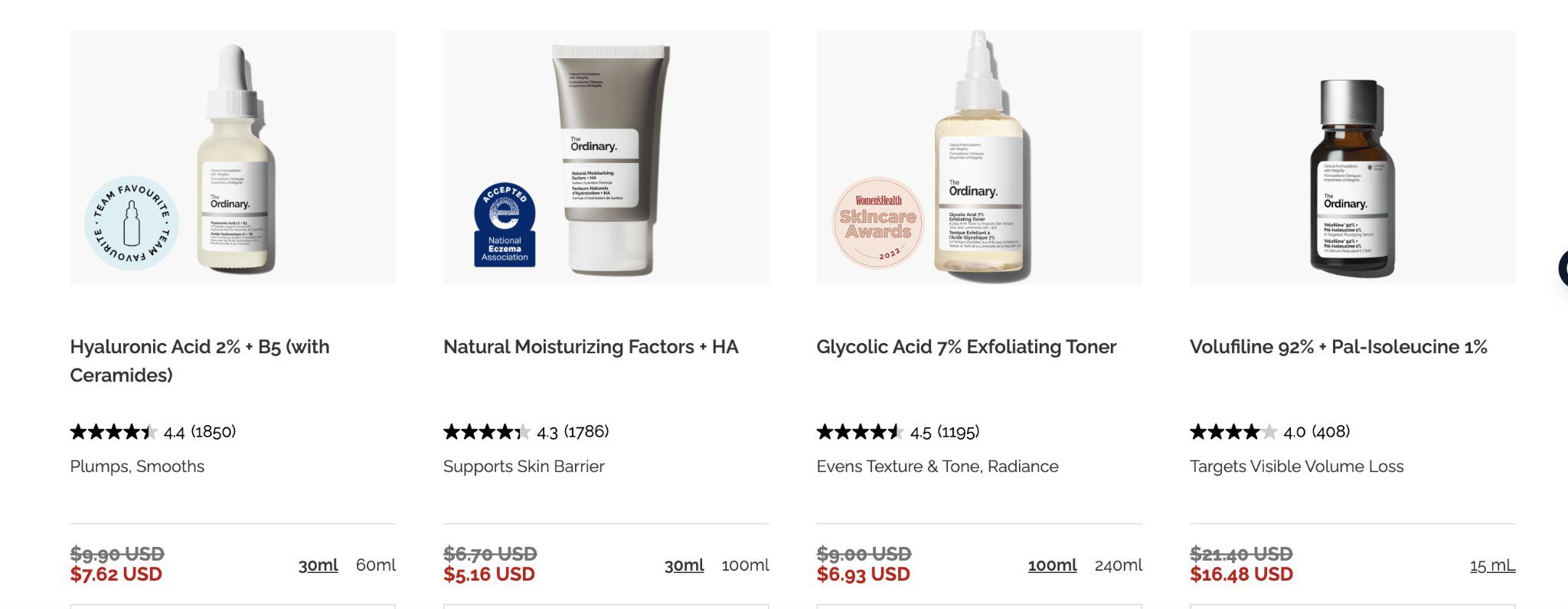
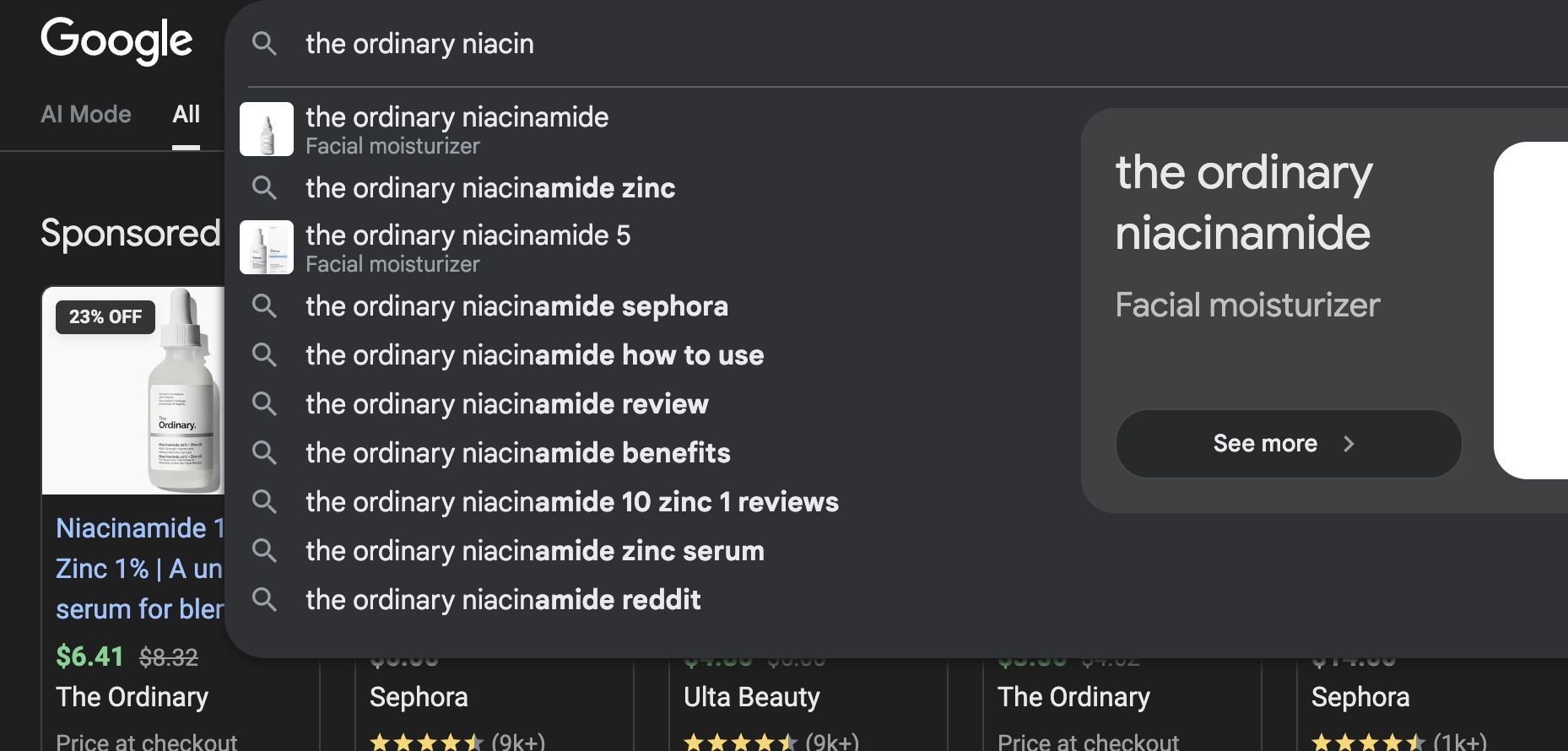
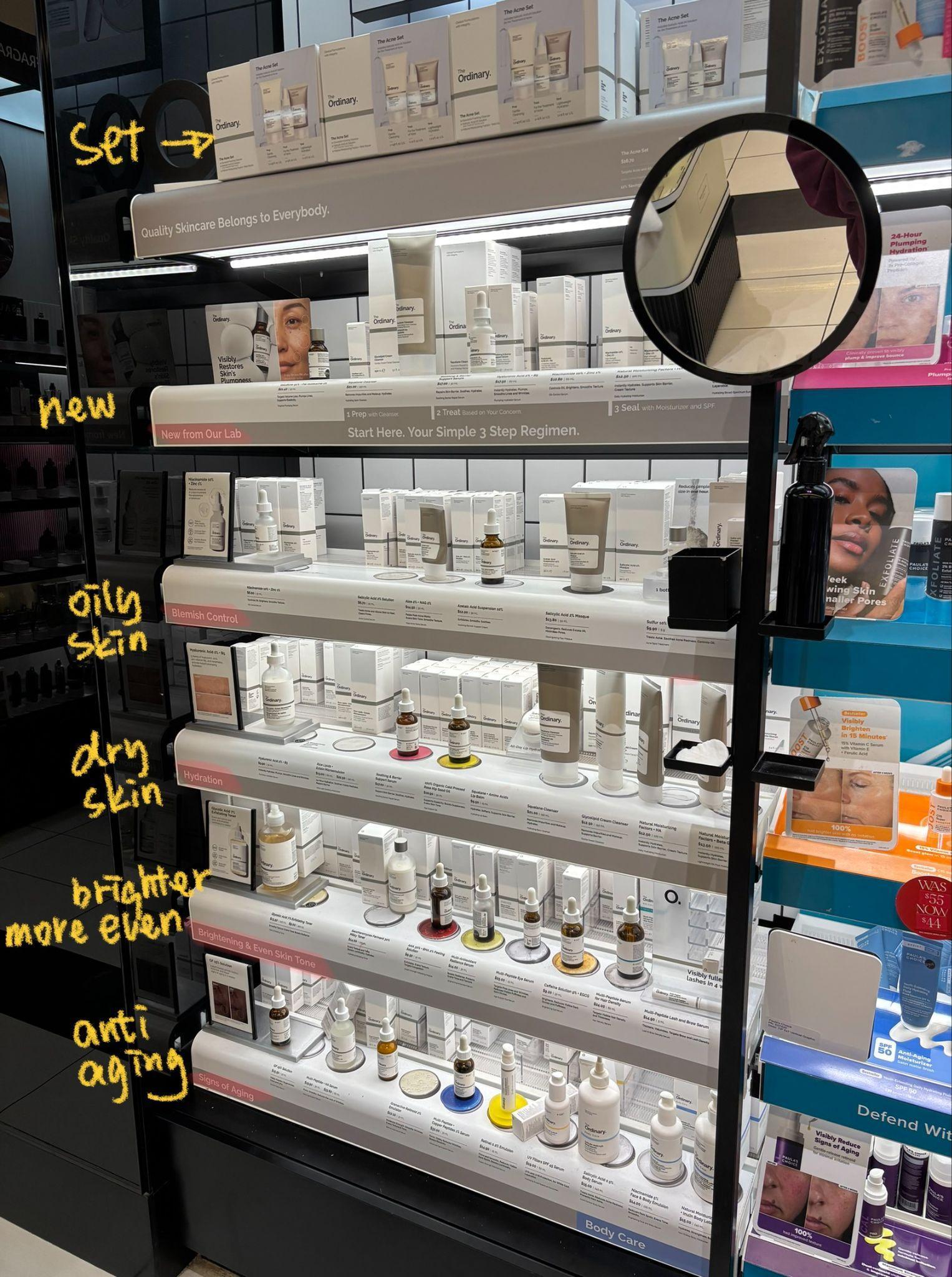
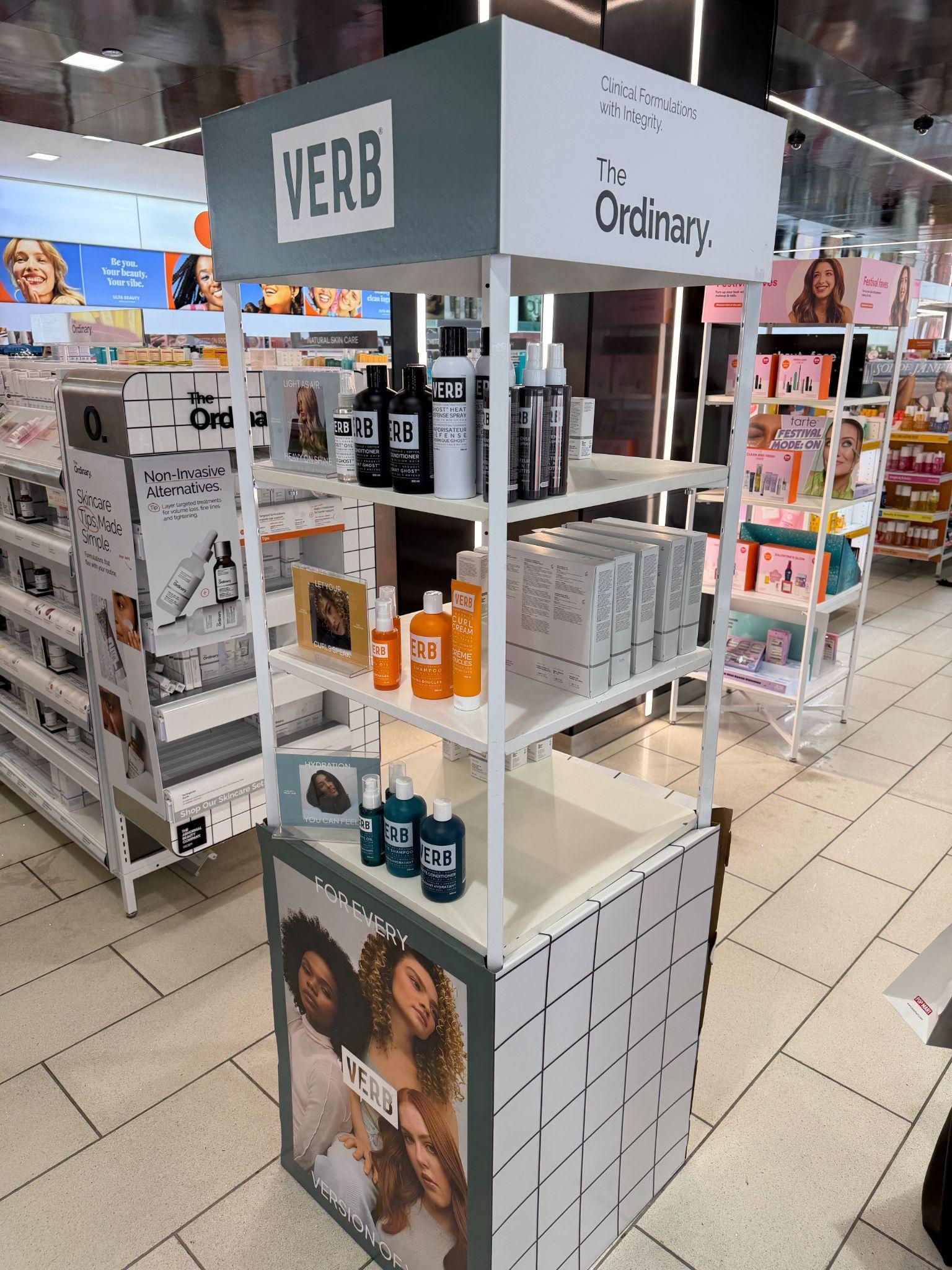
Website, search, and store evidence showed how consumers move between channels to fill gaps in understanding.
(06)Major insights
Three patterns explain
the cognitive load.
Evidence combines interviews, reviews, and channel audits. Interpretations are labeled as researcher synthesis.
Transparency creates trust—and transfers responsibility.
Evidence
Technical product names, visible ingredient percentages, and clinical packaging make the brand feel honest and credible. Interviews, reviews, and audits also showed that consumers must decide what to choose and how products work together.
Researcher synthesis
Ingredient transparency gives informed shoppers control, but it asks beginners to supply knowledge the experience does not consistently provide.
Education often happens outside the brand.
Evidence
Consumers described researching TikTok, Reddit, and Rednote before purchase. Search audits centered on “how to use,” “benefits,” “review,” and “routine,” while the website primarily organized products by active ingredient.
Researcher synthesis
The brand captures purchase intent after social platforms and search engines have done much of the work of building understanding and confidence.
The same friction follows consumers from screen to shelf.
Evidence
The website, Sephora display, and Ulta display all foregrounded products more clearly than decision support. In-store, technical naming and limited explanation created a barrier for uninitiated shoppers.
Researcher synthesis
The information architecture changes by channel, but the consumer’s core task remains unresolved: translating an ingredient into the right choice for a concern and routine.
(07)Competitive opportunity
Keep the science.
Change the translation.
The Inkey List comparison showed that accessible language and concern-based cues can coexist with ingredient credibility.
Ingredient first
- Clinical and technical
- Highly transparent
- Self-directed choice
- Lower price point
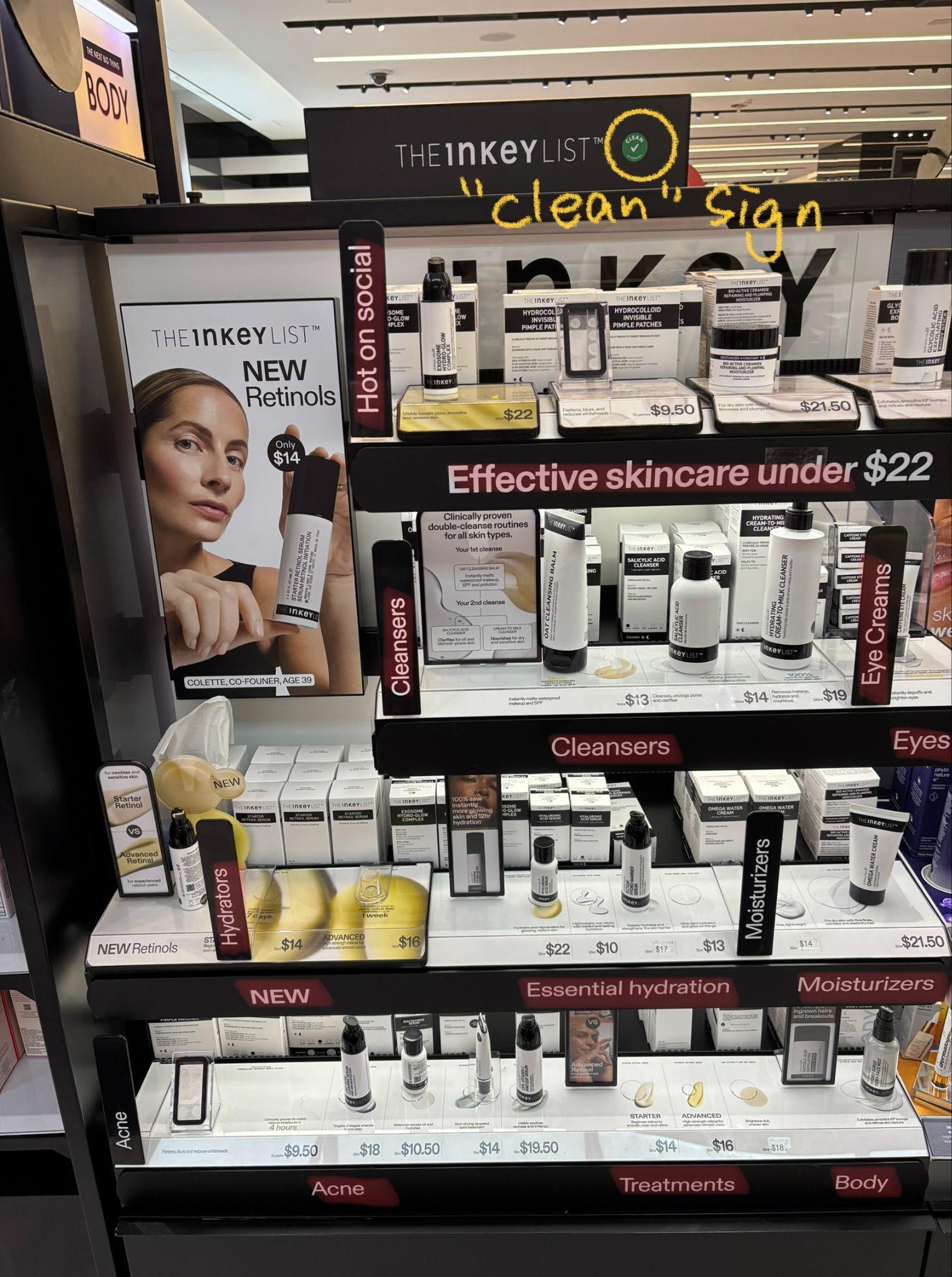
Concern first
- Accessible language
- Guided decision cues
- Beginner-friendly shelf communication
- Similar ingredient-led category
(08)Strategic recommendations
Reduce decision effort.
Preserve brand trust.
Each direction follows from a documented observation and a clearly marked interpretation.
Start with the problem.
Observation
→Consumers search by skin issue and guidance need, while brand and shelf experiences lead with ingredients.
Insight
→The consumer’s entry point is a concern; the brand’s entry point is often a molecule.
Design direction
Add a clear “Start Here” pathway and concern-based discovery for acne, dryness, sensitivity, and dark spots.
Translate, don’t dumb down.
Observation
→Technical naming reinforces credibility but requires prior ingredient knowledge to interpret confidently.
Insight
→Consumers do not need less science—they need a bridge between science and everyday decisions.
Design direction
Pair ingredient terminology with plain-language benefits, use guidance, compatibility, and routine context.
Build confidence into the first routine.
Observation
→Interviews and retail evidence showed uncertainty about what to choose, combine, and use safely.
Insight
→Low price reduces financial risk, but decision and usage risk remain with the consumer.
Design direction
Create a beginner pathway that recommends a simple 1–2 product starting routine before inviting customization.
(09)Research-informed concepts
What guidance
could feel like.
These conceptual service principles translate the recommendations into tangible experience directions.
START HERE / 01
Choose a concern,
not a chemical.
A problem-led entry point that routes a beginner from a familiar need to a small set of relevant products.
TRANSLATE / 02
Science, with
plain-language context.
Ingredient, benefit, compatibility, and routine role presented together without abandoning clinical precision.
BEGIN / 03
One concern.
Two products max.
A conservative starting routine that helps consumers build confidence before adding complexity.
Research-informed portfolio concepts · Not implemented by The Ordinary · Not usability tested · No post-design validation was documented
(10)Outcome & reflection
Research outputFrom ingredient
From ingredient
information to
decision support.
I identified a core tension between transparency and decision effort, mapped the path to purchase, connected digital and retail friction, compared competing information strategies, and translated those patterns into recommendations for more accessible consumer guidance.
This project changed how I think about transparency. More information does not automatically create clarity; consumers also need support turning information into confident decisions.